………DCAP envisions a nature-integrated human society. We explore, examine and innovate concepts, approaches and actions towards a bio-centric form of life globally………
The Development Centre for Alternative Policies (DCAP), founded in 1987 in New Delhi, is an action research and development organization focused on environment-integrated development. It addresses the climate crisis by advocating a shift from an anthropocentric (human-centred) to a biocentric (nature-centred) development paradigm.
We aim to promote and sustain pluralism and diversity in environmental, social, cultural and political spheres to support peaceful coexistence between humanity and nature. Our mission is grounded in India's ancient civilizational values and inclusive traditions, drawing on the nation's natural, social, philosophical and scientific heritage.
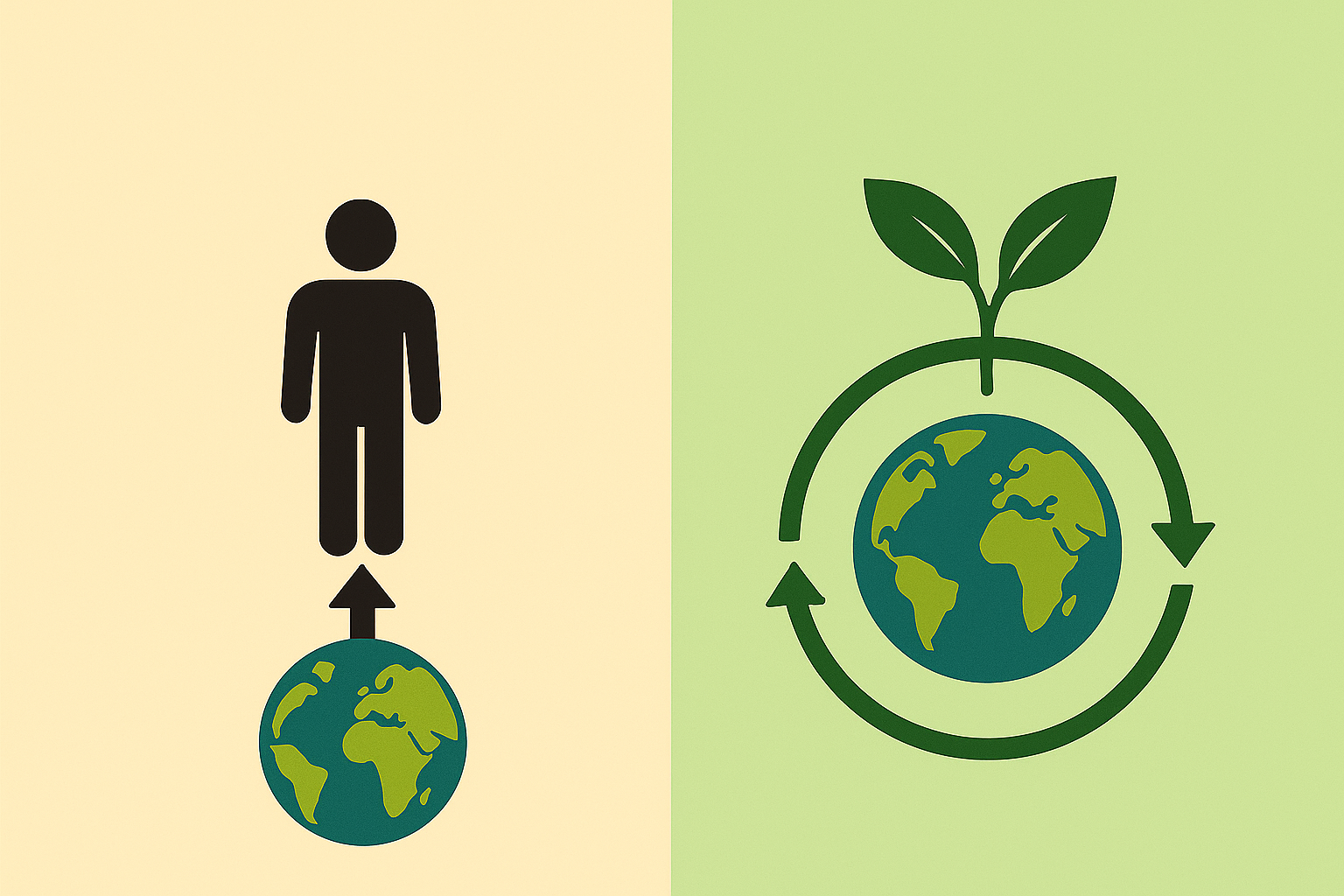
DCAP works on sustainable, inclusive solutions through innovative ideas and strategies for contemporary socio-economic, political, and environmental challenges in partnership with public, private, and community stakeholders at all levels. Our initiatives have been supported by Government of India, State Governments, International Organizations and Foundations.
Two broad themes describe DCAP’s activities – Action Research and Environmental Initiatives.
Action Research +DCAP engages in research that is participatory and solution-oriented, aiming to generate practical insights and knowledge that directly inform policy and practice. This approach often involves collaboration with stakeholders to co-create evidence-based strategies for addressing developmental and environmental challenges.
Environmental Initiatives +DCAP works to bring biocentric living into practice at every level — from local communities to institutions and government initiatives. Its efforts span across agriculture, soil regeneration, water conservation, and the treatment of solid and liquid waste, all designed to nurture a harmonious relationship between people and nature. Using advanced tools like GIS, DCAP maps how communities depend on natural resources and plans for a more balanced, biocentric future. In the field of health, it promotes holistic, non-invasive approaches that heal both people and the environment from the impacts of pollution and ecological stress.